Address
35 Markwell Ave, Haynes WA 6112, Australia.
Work Hours
Monday to Saturday: 6 AM - 6 PM
Sunday: Closed


Address
35 Markwell Ave, Haynes WA 6112, Australia.
Work Hours
Monday to Saturday: 6 AM - 6 PM
Sunday: Closed

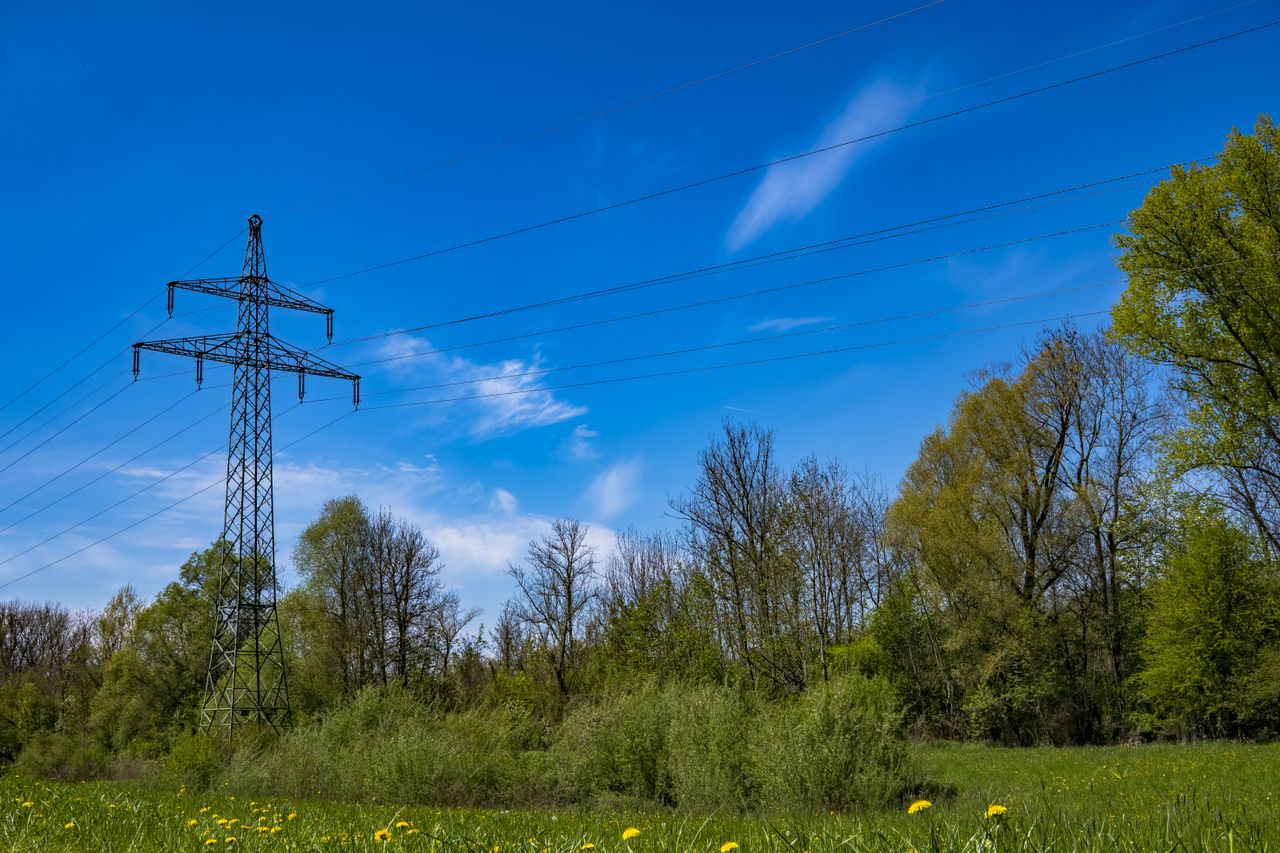
Electricity powers our homes, businesses, hospitals, industries, and essential infrastructure every day. Before electricity reaches homes and workplaces, it travels across an extensive network of high-voltage transmission lines that connect power generation facilities to substations and distribution networks.
Transmission lines are a vital part of Australia’s energy infrastructure, ensuring electricity is delivered safely, efficiently, and reliably across vast distances. In this guide, we’ll explore what transmission lines are, how they work, their key components, and why professional engineering is essential for successful transmission projects.
A transmission line is a high-voltage electrical system designed to transport electricity from power stations, renewable energy facilities, or generating plants to substations over long distances.
Unlike distribution lines, which deliver electricity directly to homes and businesses, transmission lines carry large amounts of electricity at very high voltages. Operating at high voltages minimizes energy losses and allows electricity to travel efficiently across hundreds of kilometres.
Transmission infrastructure forms the backbone of Australia’s electricity network and plays a critical role in maintaining a stable and reliable power supply.
The transmission process begins when electricity is generated at a power station or renewable energy facility. Before being transmitted, transformers increase the voltage, allowing electricity to travel long distances with minimal losses.
The electricity then flows through high-voltage conductors supported by steel transmission towers. Once it reaches a substation, the voltage is reduced before being distributed through lower-voltage distribution networks to homes, businesses, and industrial facilities.
This carefully managed process ensures electricity is delivered efficiently while maintaining safety and reliability across the network.
Every transmission line is made up of several critical components, each designed to perform a specific function.
Transmission towers support overhead conductors while maintaining safe clearances from the ground, roads, buildings, and surrounding infrastructure. These steel structures are engineered to withstand heavy loads, strong winds, and harsh environmental conditions.
Conductors are specialised cables responsible for carrying electrical current across long distances. They are manufactured using highly conductive materials such as aluminium with reinforced steel cores to maximise efficiency and durability.
Insulators separate conductors from transmission towers, preventing electricity from flowing into the supporting structures. They are essential for maintaining operational safety and reducing electrical faults.
Strong foundations provide structural stability for transmission towers, ensuring they remain secure under varying ground conditions and environmental loads.
Ground wires protect transmission systems from lightning strikes by safely directing electrical surges into the ground, reducing the risk of equipment damage and service interruptions.
Although both systems transport electricity, they serve different purposes within the power network.
| Transmission Lines | Distribution Lines |
|---|---|
| Carry electricity over long distances | Deliver electricity to consumers |
| Operate at high voltage | Operate at lower voltage |
| Connect power stations to substations | Connect substations to homes and businesses |
| Supported by large transmission towers | Supported by smaller utility poles |
Understanding the difference helps explain how electricity moves efficiently from generation to end users.
Transmission infrastructure is essential for maintaining Australia’s growing electricity demands.
Transmission lines ensure power generated at multiple locations reaches communities across the country without interruption.
As Australia invests in renewable energy, transmission infrastructure is required to connect wind farms, solar farms, and battery storage systems to the national electricity grid.
High-voltage transmission significantly reduces electrical losses, making long-distance electricity transport more efficient.
Transmission networks help balance electricity demand across different regions, improving overall system reliability.
Reliable electrical infrastructure supports industrial facilities, commercial developments, mining operations, and public infrastructure projects throughout Australia.
Designing and constructing transmission infrastructure involves a range of technical and environmental challenges.
Some of the most common include:
Careful engineering and project management are essential for overcoming these challenges.
Professional engineering ensures every transmission project is safe, efficient, and built to last.
Engineering services typically include:
Working with experienced engineering professionals helps minimise project risks while improving long-term network performance.
Safety remains one of the highest priorities throughout every stage of a transmission project.
Engineering teams follow strict Australian standards and industry regulations to ensure:
A proactive approach to safety reduces risks while protecting workers, communities, and critical infrastructure.
Power Line Engineering provides comprehensive engineering solutions that support transmission and distribution infrastructure projects across Australia.
Our services include:
We work collaboratively with clients to deliver safe, reliable, and efficient infrastructure solutions tailored to each project’s unique requirements.
Transmission lines are the foundation of Australia’s electricity network, enabling reliable power delivery across cities, regional communities, and industrial sectors. From engineering and procurement to construction and commissioning, every stage of a transmission project requires technical expertise, careful planning, and a commitment to safety.
Whether you’re planning new infrastructure, expanding an existing network, or seeking expert engineering support, investing in quality transmission solutions helps ensure reliable energy delivery for years to come.
A transmission line transports high-voltage electricity from power generation facilities to substations, enabling efficient long-distance power delivery.
Transmission lines carry electricity over long distances at high voltages, while distribution lines deliver lower-voltage electricity from substations to homes, businesses, and industrial facilities.
Higher voltages reduce energy losses during transmission, making electricity delivery more efficient over long distances.
Transmission infrastructure supports power utilities, renewable energy projects, mining operations, government infrastructure, industrial facilities, and commercial developments.
Professional engineering ensures transmission infrastructure is designed, constructed, and maintained safely while meeting Australian standards, improving reliability, and reducing long-term operational risks.
Whether you require engineering design, procurement, fabrication, construction, workforce solutions, or technical training, Power Line Engineering is here to help.
👉 Contact our team today to discuss your project requirements and discover how we can support your next transmission and distribution project.
