Address
35 Markwell Ave, Haynes WA 6112, Australia.
Work Hours
Monday to Saturday: 6 AM - 6 PM
Sunday: Closed


Address
35 Markwell Ave, Haynes WA 6112, Australia.
Work Hours
Monday to Saturday: 6 AM - 6 PM
Sunday: Closed

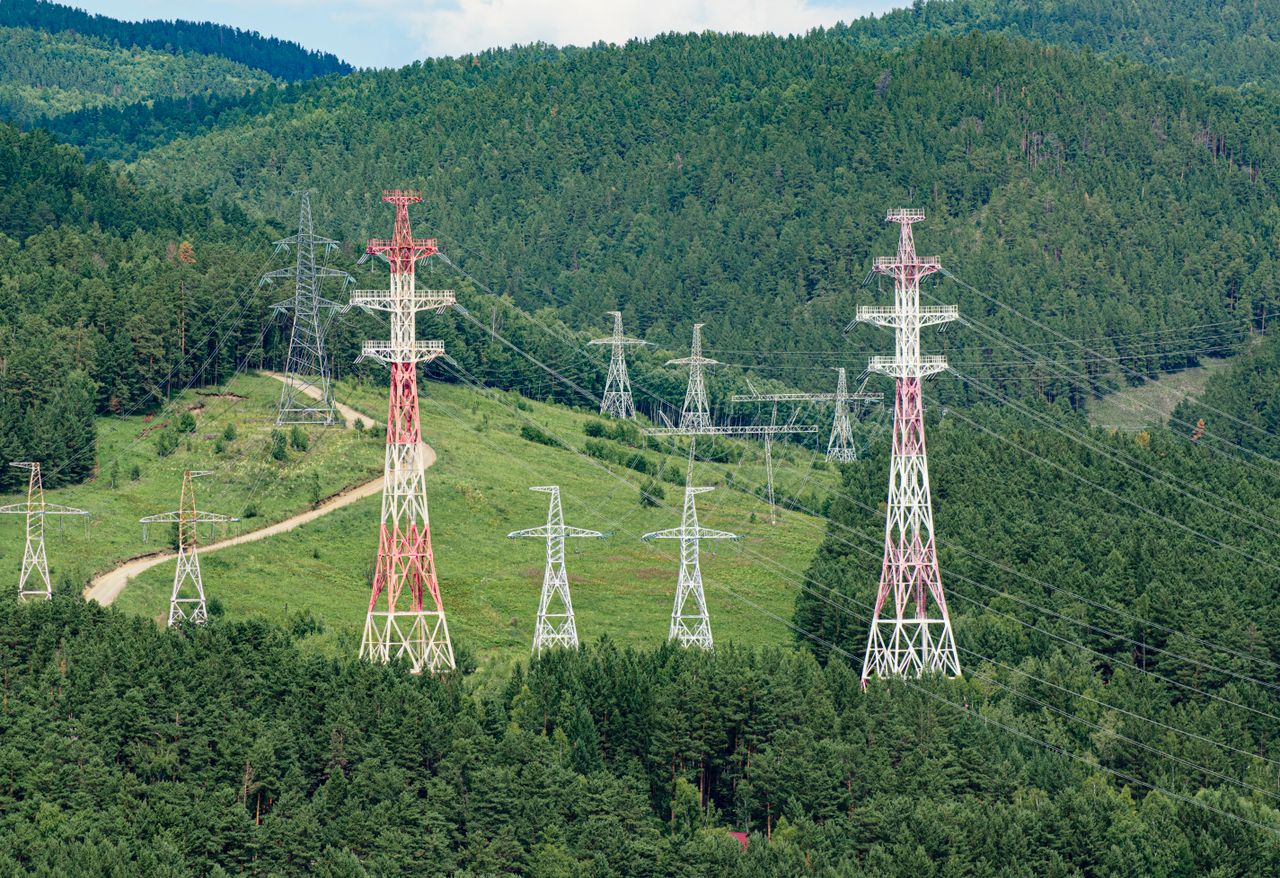
Australia’s electricity network is one of the country’s most important pieces of infrastructure. Every day, millions of homes, businesses, hospitals, mining operations, and industrial facilities depend on a reliable supply of electricity. Behind this reliability is an extensive transmission network that transports electricity from power generation facilities to substations across thousands of kilometres.
As Australia’s energy sector continues to evolve with renewable energy, battery storage, and growing electricity demand, understanding how the transmission network operates has never been more important.
In this guide, we’ll explain how Australia’s electricity transmission network works, its key components, and why ongoing investment in transmission infrastructure is essential for the country’s future.
The electricity transmission network is a system of high-voltage power lines, substations, transmission towers, transformers, and associated infrastructure that transports electricity from power generation facilities to distribution networks.
Rather than supplying electricity directly to homes and businesses, the transmission network moves large amounts of electricity over long distances with minimal energy loss before it reaches local substations.
This system forms the backbone of Australia’s National Electricity Market (NEM) and supports the reliable delivery of electricity across multiple states and regions.
Electricity follows a structured journey before reaching consumers.
Electricity is produced at:
Before electricity enters the transmission network, transformers increase the voltage to reduce transmission losses over long distances.
Higher voltage allows electricity to travel more efficiently across Australia’s vast geographical landscape.
Electricity travels through high-voltage transmission lines supported by steel towers.
These lines connect generating facilities to major substations located throughout the country.
At substations, transformers reduce the voltage to levels suitable for local distribution.
Distribution networks deliver electricity from substations to homes, businesses, schools, hospitals, and industrial facilities.
Steel transmission towers support high-voltage conductors while maintaining safe clearances and structural stability.
Conductors carry electricity efficiently across long distances while minimizing power losses.
Substations control, transform, and distribute electricity throughout the network while maintaining system reliability.
Transformers increase or decrease voltage depending on where electricity is travelling within the network.
Advanced protection equipment automatically detects faults and isolates damaged sections to maintain network stability.
Australia’s transmission infrastructure provides several important benefits.
The network ensures electricity generated in one region can be delivered where demand exists.
New transmission infrastructure enables solar farms, wind farms, and battery storage facilities to connect to the national electricity grid.
A strong transmission network helps maintain stable electricity supplies during equipment failures or changing demand.
Reliable electricity supports manufacturing, mining, commercial development, healthcare, education, and essential public services.
Interconnected transmission systems allow electricity to move between regions, improving network flexibility and reliability.
As electricity demand continues to grow, Australia’s transmission infrastructure faces several important challenges.
Many existing transmission assets require upgrades or replacement to meet modern energy demands.
Connecting renewable energy projects often requires new transmission corridors and upgraded substations.
Growing communities increase electricity demand and require expanded transmission capacity.
Bushfires, storms, floods, and extreme temperatures create ongoing challenges for infrastructure resilience.
New transmission projects require careful environmental planning and community consultation before construction begins.
Technology continues to transform the way transmission infrastructure is designed, operated, and maintained.
Examples include:
These innovations improve reliability, reduce maintenance costs, and enhance network performance.
Every successful transmission project begins with professional engineering.
Engineering teams are responsible for:
Professional engineering ensures projects meet Australian standards while delivering safe, reliable, and efficient infrastructure.
Australia is rapidly transitioning towards cleaner energy sources.
Expanding transmission infrastructure will be essential for:
Investment in transmission infrastructure will play a vital role in Australia’s long-term energy security.
Power Line Engineering provides comprehensive engineering services that support transmission and distribution infrastructure across Australia.
Our experienced professionals deliver practical engineering solutions designed to improve safety, efficiency, and long-term infrastructure performance.
Australia’s electricity transmission network is essential for powering communities, industries, and future economic growth. As the country continues to invest in renewable energy and modern infrastructure, professional engineering, quality construction, and effective project management will become even more important.
Understanding how the transmission network operates helps organizations appreciate the complexity behind every successful infrastructure project and the value of experienced engineering partners.
The transmission network transports high-voltage electricity from power generation facilities to substations across long distances.
They reduce energy losses, improve grid reliability, and connect electricity generation with distribution networks.
Renewable energy facilities connect through substations and high-voltage transmission lines designed to integrate new power generation into the national electricity grid.
Professional engineering companies design transmission infrastructure by considering electrical performance, structural requirements, environmental impacts, and Australian regulatory standards.
Expanding transmission networks will support renewable energy, improve energy reliability, strengthen grid resilience, and meet growing electricity demand.
Whether you’re planning a transmission project, expanding distribution networks, or connecting renewable energy infrastructure, Power Line Engineering provides the expertise to support every stage of your project.
Contact our team today to discuss your engineering requirements and discover how we can help deliver safe, reliable, and future-ready infrastructure solutions.
