Address
35 Markwell Ave, Haynes WA 6112, Australia.
Work Hours
Monday to Saturday: 6 AM - 6 PM
Sunday: Closed


Address
35 Markwell Ave, Haynes WA 6112, Australia.
Work Hours
Monday to Saturday: 6 AM - 6 PM
Sunday: Closed

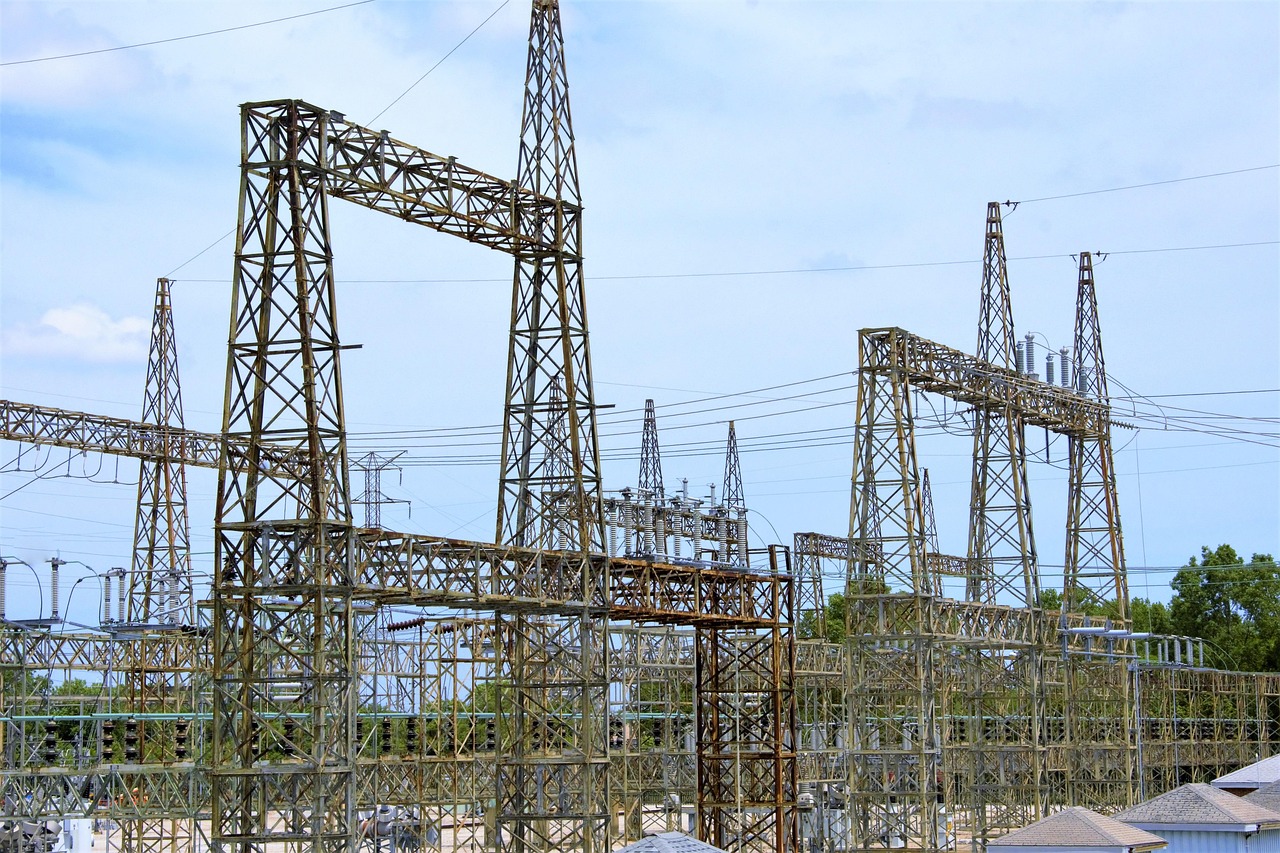
Power transmission lines are one of the most critical components of modern electrical infrastructure. They transport high-voltage electricity across vast distances, connecting power stations, renewable energy facilities, and substations to ensure a reliable electricity supply.
Designing a transmission line involves far more than selecting a route and installing towers. It requires careful engineering, environmental planning, structural analysis, and strict compliance with Australian standards to ensure safety, efficiency, and long-term reliability.
In this guide, we’ll walk you through the key stages involved in designing a power transmission line.
A well-designed transmission line improves energy efficiency, minimizes operational risks, and supports long-term network reliability. Every project must consider environmental conditions, terrain, electrical performance, construction feasibility, and future maintenance requirements.
Effective engineering helps reduce project costs while ensuring the infrastructure performs safely throughout its service life.
Every successful transmission project begins with a detailed planning phase.
Engineers work closely with stakeholders to understand project objectives, electricity demand, environmental considerations, and regulatory requirements.
During this phase, teams evaluate:
Careful planning helps identify potential challenges before engineering begins.
Selecting the right route is one of the most important aspects of transmission line design.
Engineers evaluate multiple factors to determine the safest and most practical alignment, including:
A well-planned route minimizes environmental impact while reducing construction complexity and long-term maintenance costs.
Once the route is finalized, engineers begin designing the electrical system.
This includes determining:
These decisions ensure the transmission line can safely carry the required electrical load while maintaining reliable performance.
Transmission towers must withstand a wide range of environmental conditions throughout their lifespan.
Structural engineers analyze factors such as:
The resulting designs ensure towers remain stable, safe, and durable under varying operating conditions.
Every transmission project must comply with Australian environmental regulations and engineering standards.
This stage often includes:
Compliance helps reduce environmental impacts while supporting sustainable infrastructure development.
Before construction begins, engineers prepare detailed project documentation.
Typical documents include:
Accurate documentation ensures construction teams can deliver the project efficiently and consistently.
Engineering doesn’t end when construction begins.
Design engineers continue supporting projects by:
This collaboration helps ensure the completed infrastructure matches the original engineering intent.
Before energizing a transmission line, comprehensive testing is carried out.
This includes:
Only after successful commissioning is the infrastructure connected to the power network.
Designing transmission infrastructure requires balancing multiple technical considerations.
Protecting workers, the public, and surrounding infrastructure through compliant engineering and construction practices.
Ensuring uninterrupted electricity delivery under varying environmental and operational conditions.
Reducing energy losses while optimizing construction and maintenance costs.
Designing infrastructure that supports renewable energy integration and minimizes environmental impact.
Allowing the network to accommodate future electricity demand and technological advancements.
Modern engineering teams use advanced digital tools to improve design accuracy and project efficiency.
Common technologies include:
These technologies help engineers make informed decisions and improve project outcomes.
Transmission line projects often face challenges such as:
Experienced engineering teams develop practical solutions to overcome these challenges while maintaining project quality and safety.
Professional engineering plays a critical role in ensuring transmission infrastructure performs safely and efficiently throughout its operational life.
Working with experienced engineers provides:
Investing in quality engineering ultimately leads to more successful infrastructure projects.
Power Line Engineering delivers comprehensive engineering and design services for transmission and distribution infrastructure across Australia.
Our capabilities include:
We combine technical expertise, practical experience, and a commitment to quality to help clients deliver reliable infrastructure projects from concept to completion.
Transmission line design is a complex engineering process that requires careful planning, technical expertise, and collaboration across multiple disciplines. From route selection and structural analysis to testing and commissioning, every stage contributes to building safe, reliable, and efficient electricity networks.
By investing in professional engineering services, organizations can reduce risks, improve project performance, and support Australia’s growing demand for reliable energy infrastructure.
The process begins with project planning and feasibility studies to understand technical, environmental, and operational requirements.
A carefully selected route minimizes environmental impacts, reduces construction costs, and improves long-term maintenance access.
Transmission infrastructure must comply with Australian engineering standards, electrical regulations, and environmental requirements applicable to each project.
Project timelines vary depending on complexity, approvals, environmental assessments, and engineering requirements.
Experienced engineers help improve safety, ensure regulatory compliance, optimize project costs, and deliver reliable infrastructure designed for long-term performance.
Whether you’re developing new transmission infrastructure or upgrading an existing network, Power Line Engineering provides the engineering expertise needed to deliver safe, efficient, and future-ready solutions.
👉 Contact our team today to discuss your project requirements and discover how we can support your next transmission and distribution project.

[…] infrastructure project presents unique technical challenges. A detailed engineering design helps identify and resolve these challenges early, reducing risks during construction and […]