Address
35 Markwell Ave, Haynes WA 6112, Australia.
Work Hours
Monday to Saturday: 6 AM - 6 PM
Sunday: Closed


Address
35 Markwell Ave, Haynes WA 6112, Australia.
Work Hours
Monday to Saturday: 6 AM - 6 PM
Sunday: Closed

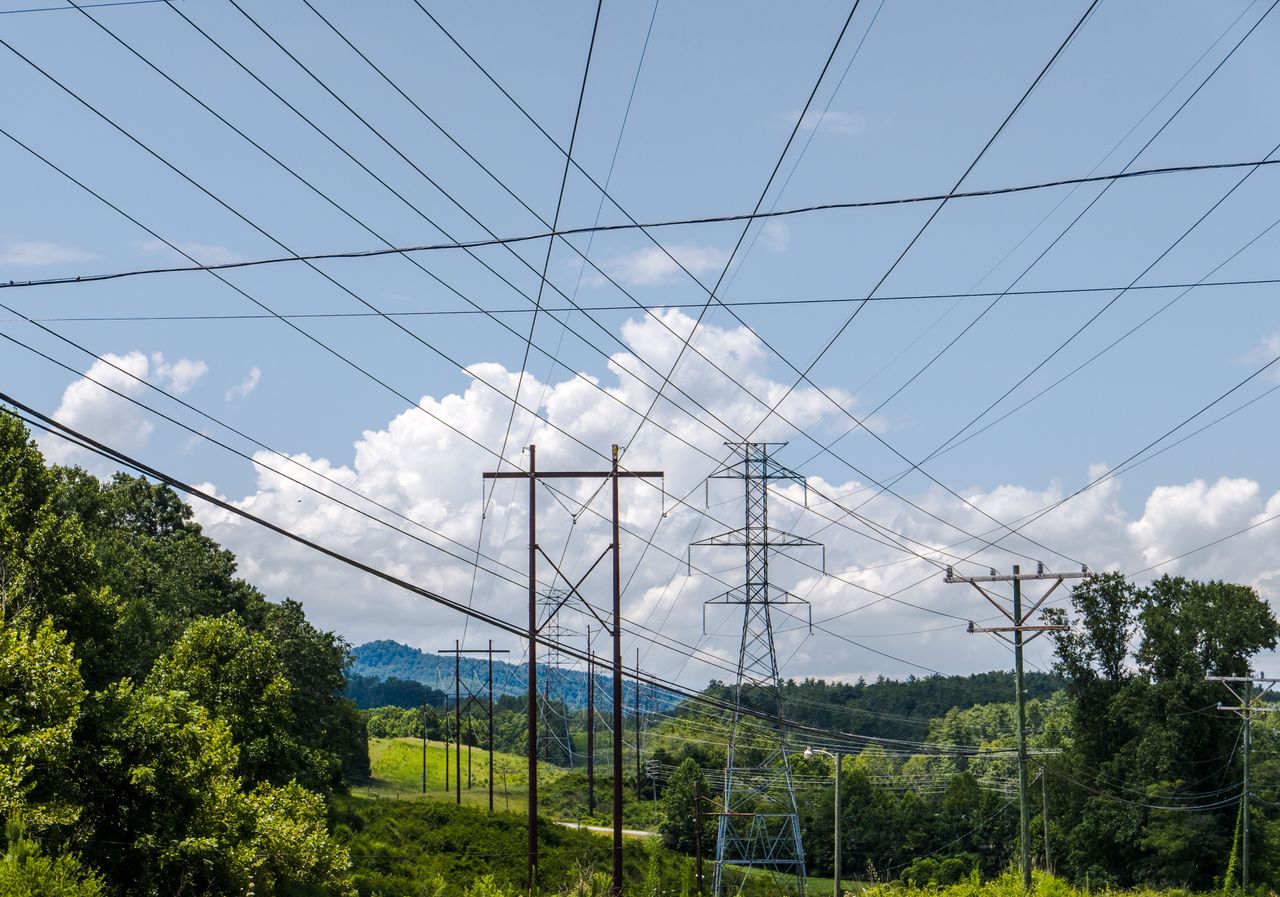
Electricity travels through a complex network before it reaches homes, businesses, and industrial facilities. Two essential parts of this network are transmission lines and distribution lines. Although they work together to deliver electricity, they serve different purposes and operate under different conditions.
Understanding the difference between transmission and distribution lines is important for utilities, engineers, project developers, and anyone involved in Australia’s power infrastructure sector.
In this guide, we’ll explain how both systems work, their key differences, and why each plays a vital role in delivering reliable electricity.
Electricity generated at power stations or renewable energy facilities cannot be delivered directly to consumers. Instead, it passes through several stages:
Both transmission and distribution systems work together to ensure a safe, reliable, and efficient electricity supply.
Transmission lines are high-voltage electrical lines designed to transport electricity across long distances from generation facilities to substations.
These systems carry large amounts of electricity with minimal energy loss and form the backbone of Australia’s electricity grid.
Distribution lines are lower-voltage electrical systems responsible for delivering electricity from substations to homes, commercial buildings, industrial facilities, and public infrastructure.
These networks distribute electricity safely to end users after the voltage has been reduced.
| Feature | Transmission Lines | Distribution Lines |
|---|---|---|
| Purpose | Transport electricity over long distances | Deliver electricity to end users |
| Voltage | High Voltage | Lower Voltage |
| Distance | Long-distance transmission | Local distribution |
| Structures | Steel transmission towers | Utility poles or underground cables |
| Destination | Substations | Homes, businesses & industries |
| Capacity | Large power loads | Smaller localized loads |
One of the biggest differences between transmission and distribution systems is voltage.
Electricity is transmitted at high voltages because a higher voltage significantly reduces energy losses during long-distance transportation. This improves efficiency, lowers operating costs, and supports reliable electricity delivery across Australia’s extensive network.
Once electricity reaches a substation, transformers reduce the voltage before it enters the local distribution network.
Transmission systems typically include:
Steel towers designed to support high-voltage conductors over long distances.
Specialized cables that carry electrical current efficiently across the network.
Components that isolate conductors from supporting structures to maintain electrical safety.
Protect transmission infrastructure from lightning strikes and electrical surges.
Engineered foundations that provide structural stability under varying environmental conditions.
Distribution systems generally include:
These components safely deliver electricity to customers while maintaining system reliability.
Although transmission and distribution systems serve different purposes, both require detailed engineering and careful planning.
Engineering services often include:
Professional engineering helps improve reliability, reduce operational risks, and ensure compliance with Australian standards.
Both transmission and distribution projects face unique challenges, including:
Addressing these challenges requires experienced engineering professionals and effective project management.
Australia’s electricity infrastructure continues to evolve as renewable energy projects, battery storage systems, and smart grid technologies become more common.
Expanding and modernizing both transmission and distribution networks is essential to:
Investment in modern infrastructure will help build a stronger and more efficient energy network for future generations.
Power Line Engineering provides comprehensive engineering solutions for transmission and distribution infrastructure projects across Australia.
Our services include:
Our experienced team works closely with clients to deliver safe, reliable, and high-quality infrastructure solutions tailored to every project’s unique requirements.
Transmission and distribution lines are both essential components of Australia’s electricity network. While transmission lines move electricity efficiently over long distances, distribution lines safely deliver power to homes, businesses, and industries.
Understanding the differences between these systems helps organizations make informed decisions when planning, designing, and delivering infrastructure projects. With professional engineering, quality construction, and ongoing maintenance, both transmission and distribution networks can continue to support Australia’s growing energy needs.
Transmission lines transport high-voltage electricity over long distances, while distribution lines deliver lower-voltage electricity from substations to homes, businesses, and industrial facilities.
Higher voltages reduce energy losses, making long-distance electricity transmission more efficient.
Electricity is stepped down at substations using transformers before entering the local distribution network.
No. Transmission towers are larger structures designed for high-voltage transmission lines, while utility poles support lower-voltage distribution lines.
Professional engineering ensures transmission and distribution infrastructure is designed, constructed, and maintained safely while complying with Australian standards and delivering long-term reliability.
Whether you’re developing transmission infrastructure, upgrading distribution networks, or planning a new power project, Power Line Engineering has the expertise to support every stage of your project.
👉 Contact our team today to discuss your engineering and infrastructure requirements.
