Address
35 Markwell Ave, Haynes WA 6112, Australia.
Work Hours
Monday to Saturday: 6 AM - 6 PM
Sunday: Closed


Address
35 Markwell Ave, Haynes WA 6112, Australia.
Work Hours
Monday to Saturday: 6 AM - 6 PM
Sunday: Closed

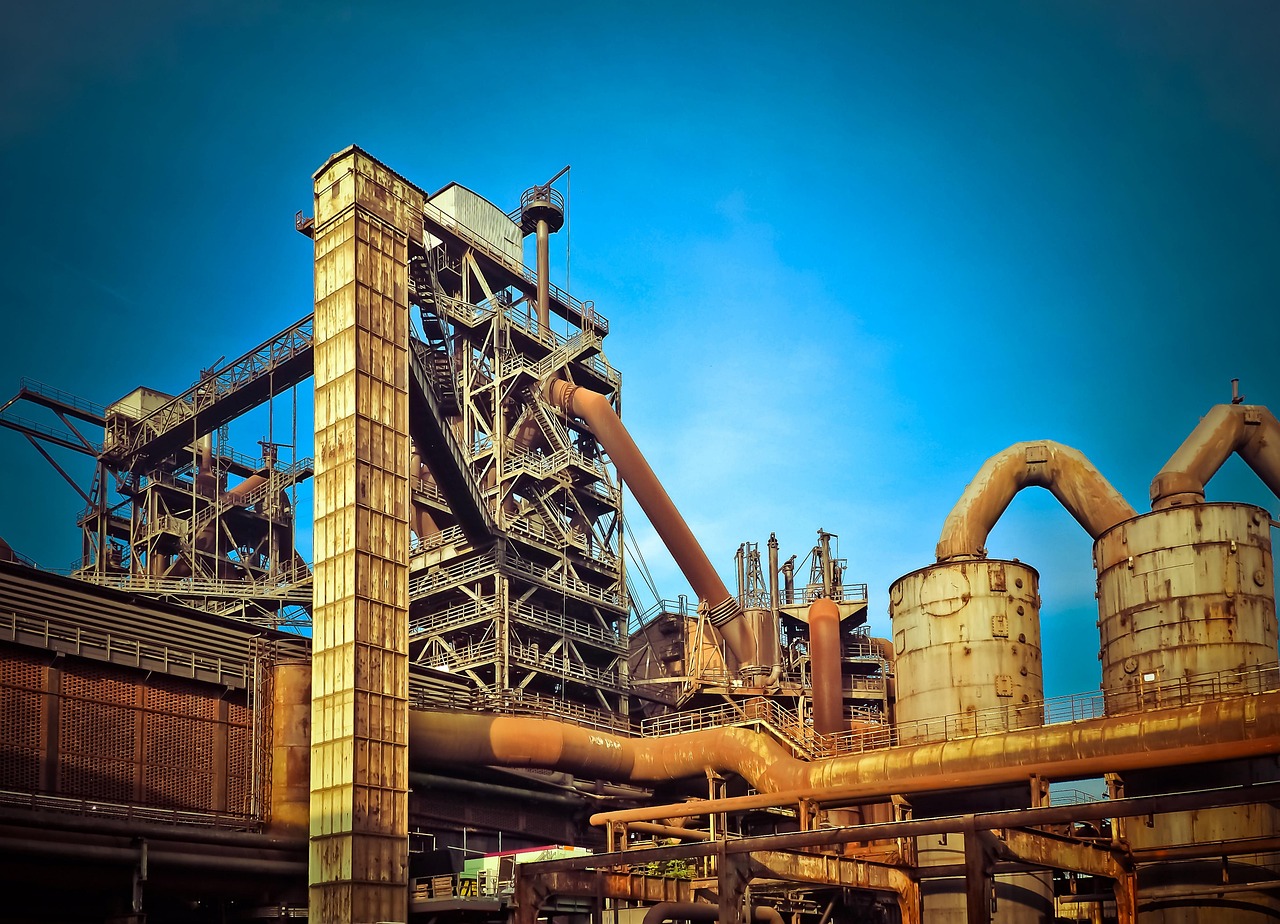
Modern transmission infrastructure depends on strong, durable, and precisely engineered steel structures. From transmission towers and support poles to structural components and cross arms, steel plays a critical role in ensuring electricity is delivered safely and reliably across Australia’s vast power network.
As Australia’s energy infrastructure continues to expand, the demand for high-quality steel fabrication has become increasingly important. Well-designed steel structures not only improve network reliability but also reduce maintenance costs and extend the lifespan of critical infrastructure.
In this article, we’ll explore why steel structures are essential for transmission projects and how professional fabrication contributes to long-term project success.
Steel structures are engineered components designed to support transmission and distribution systems. They provide the strength required to carry conductors, withstand environmental conditions, and maintain safe electrical clearances.
Common transmission steel structures include:
These components are manufactured to meet strict engineering specifications and Australian industry standards.
Steel has become the preferred material for transmission infrastructure because of its exceptional strength, durability, and versatility.
Steel provides outstanding load-bearing capacity while maintaining structural stability under heavy conductor loads and extreme weather conditions.
Properly fabricated and protected steel structures can remain operational for several decades with minimal maintenance.
Protective coatings such as hot-dip galvanizing help prevent corrosion, making steel suitable for Australia’s diverse environmental conditions.
Steel can be fabricated into a wide range of sizes, shapes, and configurations to suit different project requirements.
Its durability and low maintenance requirements make steel one of the most cost-effective materials for long-term infrastructure projects.
Steel fabrication supports numerous areas of power infrastructure.
Engineered towers designed to support high-voltage transmission conductors across long distances.
Steel poles and support structures are used for local electricity distribution networks.
Structural steel frameworks supporting electrical equipment, transformers, and switchgear.
Supporting wind farms, solar farms, and battery storage facilities through robust structural solutions.
Custom steel fabrication for manufacturing facilities, mining operations, and industrial power systems.
Producing reliable steel structures involves several carefully managed stages.
Detailed engineering drawings and structural calculations are prepared before fabrication begins.
Certified structural steel is selected based on project specifications, load requirements, and environmental conditions.
Steel components are cut, drilled, welded, and assembled using precision manufacturing equipment.
Each fabricated component undergoes dimensional checks, welding inspections, and quality verification.
Protective coatings such as galvanizing are applied to improve corrosion resistance and extend service life.
Completed components are delivered to site and prepared for safe installation.
Even small manufacturing inaccuracies can affect the performance of transmission infrastructure.
Professional fabrication ensures:
Precision manufacturing improves overall project efficiency while reducing costly rework.
Fabrication projects often require careful planning to overcome challenges such as:
Experienced fabrication teams develop efficient manufacturing processes to address these challenges while maintaining exceptional quality.
Quality assurance is integrated throughout the fabrication process.
This includes:
These procedures help ensure every fabricated component meets project specifications before delivery.
As Australia invests in renewable energy, transmission upgrades, and critical infrastructure, demand for high-quality steel fabrication continues to increase.
Steel structures support projects including:
Professional fabrication plays a vital role in building safe and reliable infrastructure for future generations.
Power Line Engineering provides precision steel structure fabrication services for transmission and distribution infrastructure across Australia.
Our capabilities include:
We combine experienced craftsmanship, advanced fabrication techniques, and rigorous quality assurance to deliver durable steel structures that perform in demanding environments.
Steel structures are the foundation of Australia’s transmission infrastructure. Their strength, durability, and reliability make them essential for delivering electricity safely across the country.
By investing in professional engineering and precision fabrication, organizations can improve infrastructure performance, reduce maintenance costs, and ensure long-term operational reliability.
Whether supporting new transmission lines or expanding renewable energy infrastructure, quality steel fabrication remains a critical component of every successful power project.
Steel provides exceptional strength, durability, and resistance to environmental conditions, making it ideal for supporting high-voltage transmission infrastructure.
With proper fabrication, protective coatings, and regular maintenance, steel transmission structures can remain in service for several decades.
Hot-dip galvanizing and other corrosion-resistant coatings help protect steel against rust and harsh environmental conditions.
Steel structures are widely used in power utilities, renewable energy, mining, government infrastructure, industrial facilities, and large-scale construction projects.
Quality control ensures fabricated components meet engineering specifications, perform safely, and provide long-term structural reliability.
Whether you require transmission towers, structural steel fabrication, or custom-engineered components, Power Line Engineering delivers reliable fabrication solutions built for strength, safety, and long-term performance.
Contact our team today to discuss your steel fabrication requirements and discover how we can support your next infrastructure project.
