Address
35 Markwell Ave, Haynes WA 6112, Australia.
Work Hours
Monday to Saturday: 6 AM - 6 PM
Sunday: Closed


Address
35 Markwell Ave, Haynes WA 6112, Australia.
Work Hours
Monday to Saturday: 6 AM - 6 PM
Sunday: Closed

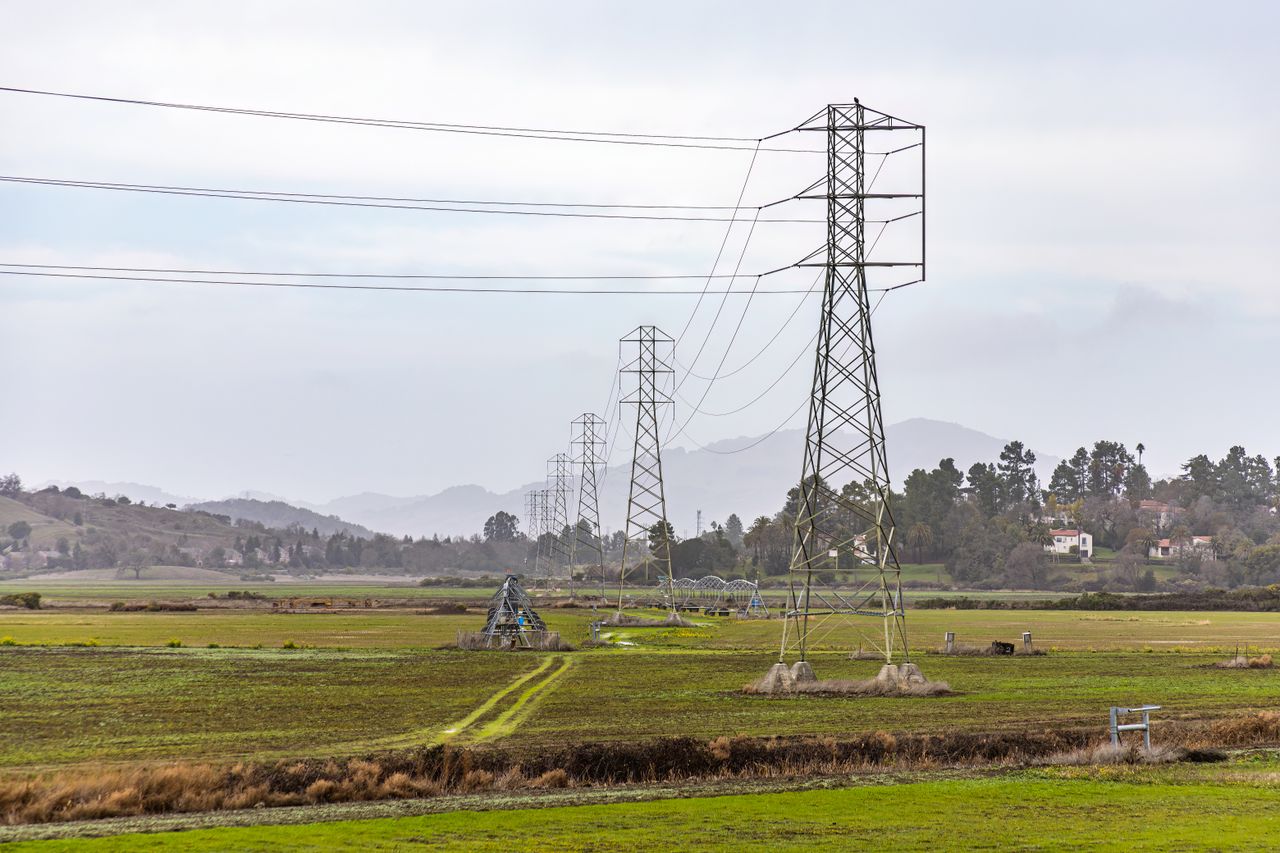
Power infrastructure is the backbone of modern communities, supporting homes, businesses, hospitals, industries, and renewable energy developments. Behind every successful transmission line, distribution network, or substation is a carefully planned engineering design that ensures safety, reliability, and long-term performance.
Engineering design is much more than creating technical drawings. It involves strategic planning, technical analysis, risk assessment, and compliance with Australian standards to ensure infrastructure performs efficiently throughout its lifecycle.
In this article, we’ll explore why engineering design is one of the most important phases of any power infrastructure project.
Engineering design is the process of planning, analyzing, and developing technical solutions for electrical infrastructure projects. It transforms project objectives into practical, buildable designs that meet operational, environmental, and regulatory requirements.
A well-designed project considers every aspect of construction, operation, maintenance, and future expansion before work begins on site.
Every infrastructure project presents unique technical challenges. A detailed engineering design helps identify and resolve these challenges early, reducing risks during construction and operation.
Effective engineering design provides:
Investing in quality engineering at the beginning of a project often saves significant time and cost during construction.
Selecting the most suitable route for transmission and distribution infrastructure while considering terrain, accessibility, environmental impacts, and future development.
Designing electrical systems that safely and efficiently transmit power while meeting required capacity and performance standards.
This includes:
Engineering towers, poles, and supporting structures capable of withstanding environmental loads such as wind, storms, and varying soil conditions.
Every structure depends on a strong foundation. Engineers evaluate soil conditions and loading requirements to develop foundations that ensure long-term structural stability.
Modern infrastructure projects must minimize environmental impacts while complying with Australian regulations.
Engineering teams assess:
Engineering design identifies potential hazards before construction begins, reducing risks for workers, surrounding communities, and future maintenance teams.
Careful planning minimizes design changes, construction delays, and unnecessary material costs, helping projects stay within budget.
Detailed engineering ensures infrastructure performs reliably for decades while reducing maintenance requirements.
Well-prepared engineering documentation allows construction teams to work more efficiently with fewer interruptions.
Professional engineering ensures projects comply with Australian engineering standards, safety regulations, and environmental requirements.
Power infrastructure projects often involve complex technical and environmental challenges, including:
Experienced engineering teams develop practical solutions that balance performance, safety, and cost.
Engineering continues to evolve through the use of advanced digital technologies that improve accuracy and efficiency.
Common technologies include:
These technologies help engineers make informed decisions while reducing design risks.
As Australia’s demand for electricity continues to grow, engineering design plays a key role in supporting:
Quality engineering ensures today’s projects remain capable of meeting tomorrow’s energy needs.
Power Line Engineering provides comprehensive engineering and design services for transmission and distribution infrastructure projects across Australia.
Our expertise includes:
We work closely with clients to deliver practical engineering solutions that prioritize safety, quality, efficiency, and long-term performance.
Engineering design is the foundation of every successful power infrastructure project. It ensures transmission and distribution systems are safe, reliable, cost-effective, and capable of supporting Australia’s growing energy demands.
By investing in professional engineering services, organizations can reduce project risks, improve operational performance, and deliver infrastructure that provides lasting value for communities and industries alike.
Engineering design ensures electrical infrastructure is safe, reliable, efficient, and compliant with Australian standards before construction begins.
It typically includes route planning, structural analysis, electrical system design, foundation design, environmental assessments, technical documentation, and construction support.
Early planning helps identify potential issues before construction, reducing delays, design changes, and material waste.
Yes. Professional engineering is essential for connecting renewable energy facilities to the electricity grid while maintaining system reliability.
Experienced engineers deliver practical, compliant, and future-ready solutions that improve project performance and reduce long-term operational risks.
Whether you’re planning a new transmission line, upgrading a distribution network, or developing critical infrastructure, Power Line Engineering provides expert engineering solutions tailored to your project requirements.
👉 Contact our team today to discuss how we can support your next power infrastructure project.
