Address
35 Markwell Ave, Haynes WA 6112, Australia.
Work Hours
Monday to Saturday: 6 AM - 6 PM
Sunday: Closed


Address
35 Markwell Ave, Haynes WA 6112, Australia.
Work Hours
Monday to Saturday: 6 AM - 6 PM
Sunday: Closed

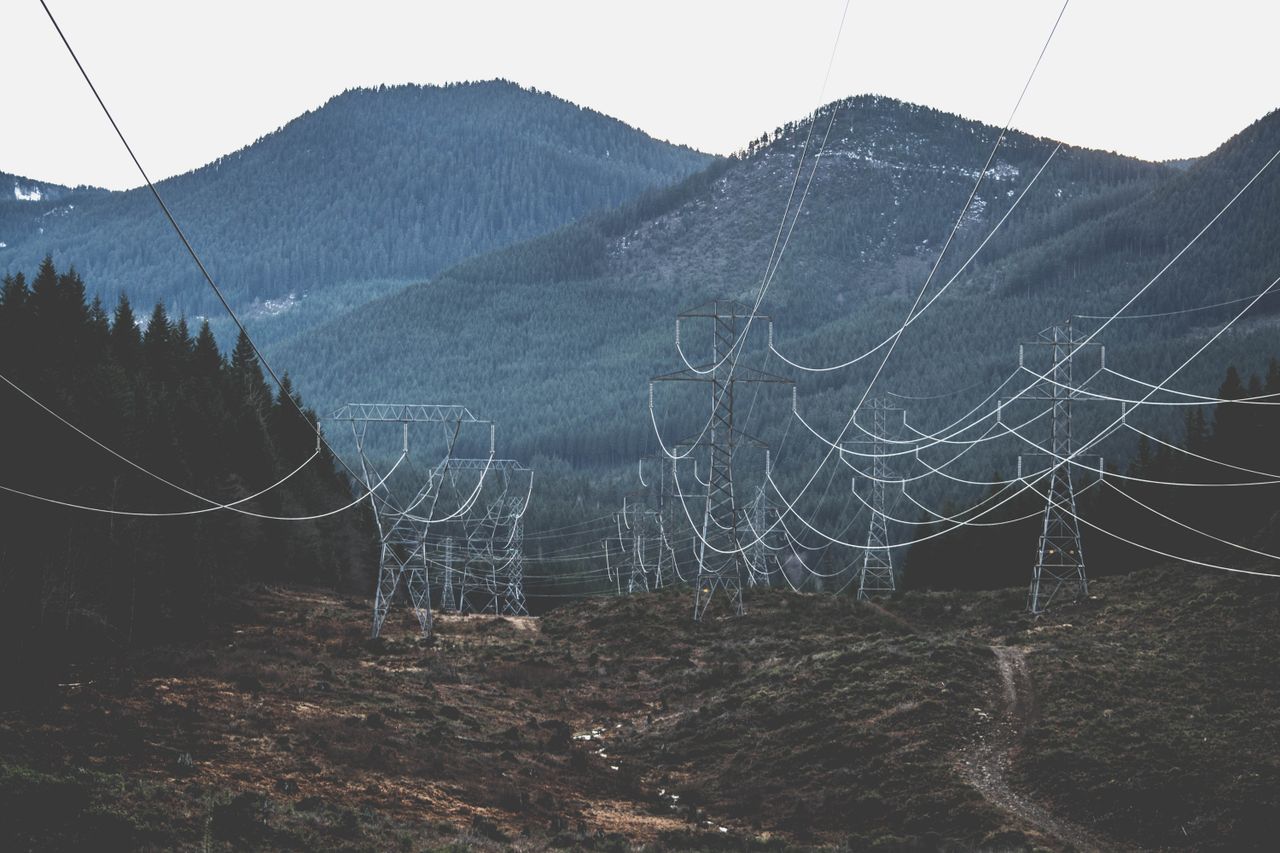
Transmission lines are a vital part of Australia’s electrical infrastructure, delivering high-voltage electricity from power generation facilities to substations across the country. Constructing a transmission line is a complex process that requires detailed planning, technical expertise, strict safety standards, and effective project management.
Every stage, from initial planning and engineering to construction, testing, and commissioning, must be carefully coordinated to ensure the network operates safely and efficiently for decades.
In this guide, we’ll walk through the complete transmission line construction process and explain the key stages involved in delivering a successful infrastructure project.
Transmission line construction is the process of building high-voltage electrical infrastructure that transports electricity over long distances.
The process includes:
Each phase plays an important role in ensuring the completed infrastructure is safe, reliable, and compliant with Australian standards.
Every successful transmission project begins with detailed planning.
Project teams work closely with stakeholders to understand:
Early planning identifies potential risks while establishing a clear roadmap for project delivery.
Selecting the most suitable route is one of the most important decisions during a transmission project.
Survey teams evaluate:
Detailed surveying ensures the route is technically feasible while minimizing environmental and community impacts.
Once the route has been confirmed, engineers prepare detailed construction documentation.
Engineering activities include:
These documents guide every stage of construction.
Before construction begins, materials and equipment must be sourced.
Typical procurement includes:
Working with trusted suppliers helps ensure quality materials are delivered on schedule.
Construction teams prepare the site before installing permanent infrastructure.
Activities include:
Proper site preparation improves productivity while reducing construction delays.
Every transmission tower requires a strong foundation capable of supporting significant structural loads.
Foundation construction includes:
Engineers ensure foundations are suitable for local soil conditions and long-term structural performance.
Once foundations are complete, transmission towers are assembled and erected.
Construction teams carefully:
Tower installation requires experienced personnel, specialized equipment, and strict safety procedures.
After towers are installed, conductors are pulled between structures.
This stage includes:
Proper conductor installation ensures reliable electrical performance while maintaining required safety clearances.
Before the transmission line becomes operational, comprehensive testing is performed.
Testing typically includes:
Commissioning confirms the infrastructure is ready for safe operation.
Once commissioning is complete, the project is formally handed over.
Documentation includes:
Regular maintenance ensures long-term network reliability and operational performance.
Safety remains the highest priority during every stage of transmission construction.
Construction teams follow strict procedures to protect workers, surrounding communities, and infrastructure.
Safety measures include:
A strong safety culture helps reduce incidents while improving project performance.
Transmission projects often involve complex technical and environmental challenges.
Examples include:
Experienced construction teams develop practical solutions to efficiently manage these challenges.
Professional construction management helps ensure that projects are delivered safely, efficiently, and in accordance with engineering specifications.
Benefits include:
Strong supervision reduces workplace risks while ensuring compliance with safety standards.
Effective communication between engineers, contractors, suppliers, and clients keeps projects moving forward.
Quality assurance throughout construction improves long-term infrastructure performance.
Careful planning and scheduling minimize disruptions during construction.
Efficient resource management helps maintain budgets and avoid unnecessary costs.
Power Line Engineering provides end-to-end transmission and distribution construction services throughout Australia.
Our capabilities include:
Our experienced team is committed to delivering safe, reliable, and high-quality infrastructure projects that meet client expectations and Australian industry standards.
Transmission line construction is a highly specialized process that requires careful planning, experienced professionals, and a strong commitment to safety and quality. Every stage, from route selection and engineering to tower installation and commissioning, contributes to building infrastructure that powers Australia’s homes, businesses, and industries.
Partnering with an experienced construction team helps reduce project risks, improve efficiency, and ensure long-term network reliability.
Project duration depends on factors such as route length, environmental approvals, site conditions, and project complexity. Large transmission projects may take several months to multiple years from planning through commissioning.
Common materials include structural steel, reinforced concrete, conductors, insulators, transformers, grounding systems, and various electrical hardware components.
Environmental assessments help minimize impacts on wildlife, vegetation, waterways, and local communities while ensuring compliance with Australian regulations.
Commissioning involves electrical testing, safety inspections, mechanical verification, and system performance checks before the transmission line is energized.
Power Line Engineering combines engineering expertise, construction experience, quality workmanship, and a safety-first approach to deliver reliable transmission and distribution infrastructure projects across Australia.
Whether you’re planning a new transmission line, upgrading an existing network, or delivering a large-scale infrastructure project, Power Line Engineering provides the expertise to support every stage of construction.
Contact our team today to discuss your project requirements and discover how we can help deliver safe, efficient, and future-ready transmission infrastructure.
