Address
35 Markwell Ave, Haynes WA 6112, Australia.
Work Hours
Monday to Saturday: 6 AM - 6 PM
Sunday: Closed


Address
35 Markwell Ave, Haynes WA 6112, Australia.
Work Hours
Monday to Saturday: 6 AM - 6 PM
Sunday: Closed

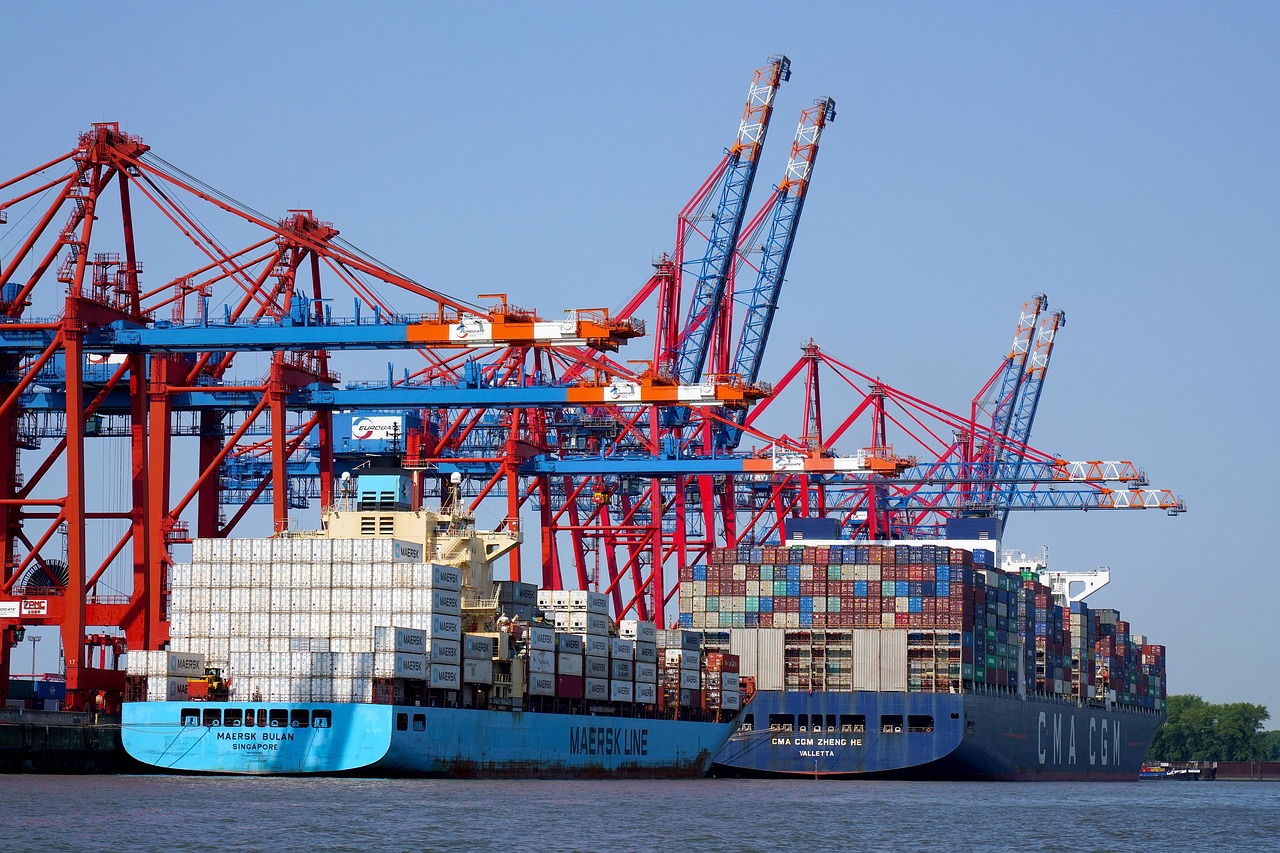
Construction projects rely on more than skilled labour and quality engineering; they also depend on an efficient supply chain. Every stage of a project, from planning and procurement to construction and commissioning, requires the timely delivery of materials, equipment, and resources.
In Australia’s infrastructure sector, effective supply chain management plays a vital role in ensuring projects are completed safely, on time, and within budget. Poor coordination can lead to costly delays, material shortages, and operational disruptions.
In this article, we’ll explore why supply chain management is essential for construction projects and how organizations can improve project outcomes through strategic planning and efficient logistics.
Supply chain management (SCM) is the process of planning, sourcing, transporting, storing, and delivering materials and equipment needed for a project.
For infrastructure projects, supply chain management involves coordinating multiple stakeholders, including:
An effective supply chain ensures that every component arrives at the right place, at the right time, and in the right condition.
Construction projects operate within strict schedules and budgets. Delays in material deliveries or equipment availability can affect multiple stages of the project.
Strong supply chain management helps:
By managing the movement of materials efficiently, project teams can avoid unnecessary interruptions and keep work progressing.
Ensuring construction materials arrive on time is critical for maintaining project momentum.
Effective planning helps prevent shortages of:
Reliable material availability allows construction teams to work without unnecessary delays.
Procurement teams work closely with suppliers to source quality materials while balancing cost, availability, and project timelines.
Strategic procurement ensures:
Transporting materials to construction sites requires careful planning, especially for remote infrastructure projects.
Logistics planning includes:
Efficient logistics reduces transportation delays and improves project efficiency.
Maintaining the right inventory levels helps avoid shortages while preventing excessive material storage.
Good inventory management allows project teams to:
Construction projects often face supply chain challenges that can affect delivery schedules and budgets.
High demand or manufacturing delays can limit the availability of essential materials.
Weather conditions, traffic disruptions, and freight capacity can affect delivery schedules.
Changes in global markets may increase the cost of steel, electrical equipment, and construction materials.
Working with unreliable suppliers can lead to inconsistent product quality and missed delivery deadlines.
Poor communication between project teams, suppliers, and contractors often creates unnecessary delays.
Successful infrastructure projects follow proven supply chain strategies.
Develop procurement and logistics plans during the early stages of the project.
Partner with trusted suppliers who consistently deliver quality products and reliable service.
Avoid depending on a single supplier by maintaining alternative sourcing options.
Modern supply chain software improves visibility, inventory tracking, procurement management, and communication.
Regularly review supplier performance, delivery schedules, and inventory levels to identify opportunities for improvement.
Digital technology continues to transform construction supply chains.
Common solutions include:
These technologies improve transparency, reduce manual processes, and support better decision-making.
Power infrastructure projects require careful coordination due to the size and complexity of the materials involved.
Examples include:
Managing these components efficiently helps reduce project risks and maintain construction schedules.
Working with experienced supply chain professionals provides significant advantages.
Reliable deliveries keep construction activities progressing according to plan.
Strategic procurement reduces unnecessary spending and minimizes budget overruns.
Working with approved suppliers ensures materials meet engineering standards and project requirements.
Proactive planning helps manage supply disruptions before they affect project delivery.
Efficient coordination improves communication between procurement teams, suppliers, contractors, and project managers.
Power Line Engineering provides comprehensive procurement and supply chain management services for infrastructure projects across Australia.
Our capabilities include:
We help clients streamline procurement processes, reduce project risks, and ensure the timely delivery of quality materials that support successful infrastructure projects.
Supply chain management is one of the most important contributors to successful construction projects. From procurement and logistics to inventory control and supplier coordination, every stage influences project efficiency, cost, and quality.
Organizations that invest in strategic supply chain management are better positioned to deliver infrastructure projects safely, on time, and within budget.
With experienced procurement professionals and trusted supplier networks, Power Line Engineering helps clients build stronger, more resilient infrastructure across Australia.
Supply chain management involves coordinating the sourcing, transportation, storage, and delivery of materials and equipment required for construction projects.
It helps ensure materials arrive on time, reduces project delays, controls costs, and improves overall project efficiency.
Common risks include material shortages, transportation delays, supplier issues, rising costs, and poor project coordination.
Digital systems improve inventory tracking, procurement planning, logistics coordination, and communication between stakeholders.
Power Line Engineering delivers strategic procurement and supply chain solutions that help infrastructure projects stay on schedule, maintain quality, and reduce operational risks.
Whether you’re planning a transmission line, distribution network, renewable energy project, or industrial development, Power Line Engineering provides reliable procurement and supply chain management services to support every stage of your project.
Contact our team today to discuss your project requirements and discover how we can help deliver efficient, cost-effective infrastructure solutions.
